How To Read A Weight-Management Supplement Label
Weight-management supplements are one of the most heavily marketed categories out there, which makes knowing what to check even more valuable.
Four checks that take under two minutes and cut through most of the marketing noise.
Check 1: does it name real drugs or hormones without containing them?
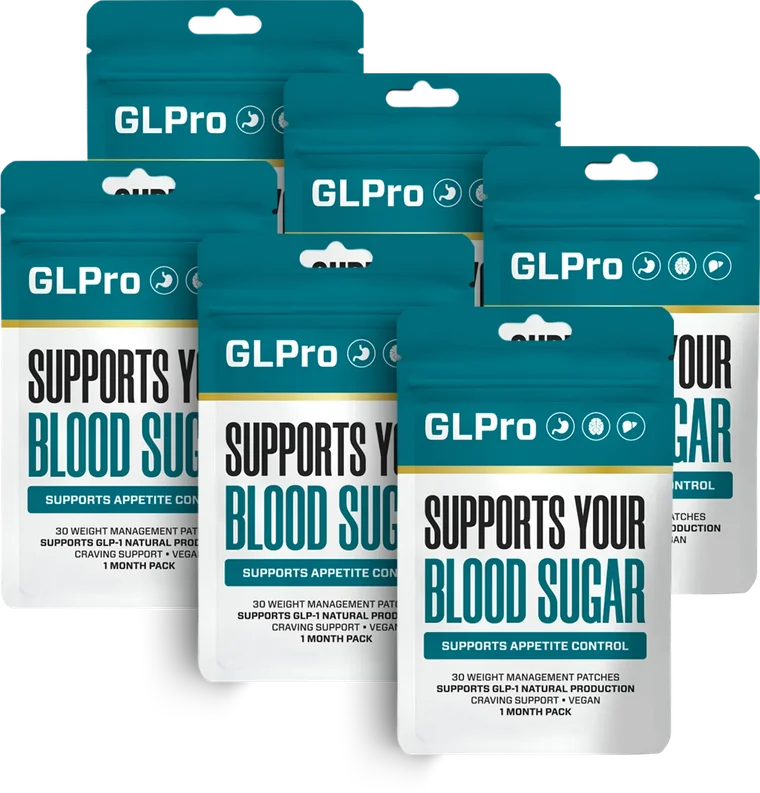
Some products reference drug names or hormone names in their branding — like ‘GLP-1’ — without actually containing that medication. This isn't automatically disqualifying, but it means you should look specifically for a clear statement of what the product does and doesn't contain, not just the branding.
Check 2: FDA registered, or FDA approved?
These are different things. Registration means a facility is on file with the FDA. Approval means a specific product has been reviewed and cleared for a specific use. No wellness supplement is FDA-approved for weight loss — if a label implies otherwise, that's a red flag.
Check 3: are claims structure-function or disease-treatment?
By law, supplements can describe supporting normal body functions (‘supports healthy metabolism’) but cannot claim to treat, cure or prevent a disease like obesity or diabetes. Watch for language that crosses into medical claims.
Check 4: is there a clinical trial on the actual product, or just the ingredients?
Individual ingredients often have their own research. That's different from a clinical trial on the finished, specific product you're buying. Both are worth knowing, but they're not the same claim.
Applying this to GLpatches
GLpatches references GLP-1 in its branding without containing GLP-1 medication — which is exactly why we've made the disclosure this explicit throughout the site rather than assuming shoppers will catch the distinction themselves.